


We ship worldwide - see checkout for options

Exceptional customer service trusted by 100's
£219.95
We ship worldwide - see checkout for options
Exceptional customer service trusted by 100's
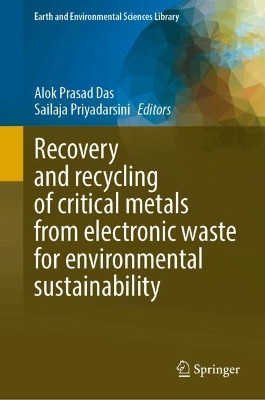
Electronic waste (e-waste) is one of the fastest-growing waste streams globally due to industrialization, posing significant environmental and health hazards because of its complex composition, very short lifespan, and improper disposal practices. E-waste also contains many toxic substances like lead, cadmium, and mercury, which leach into soil and water, causing contamination. Prolonged exposure to these toxins leads to serious human health issues, including neurological damage, respiratory problems, and cancers. Additionally, e-waste is a rich secondary source of critical and strategic metals such as lithium, cobalt, and nickel, vital for manufacturing mobile phones, laptops, electric vehicles, toys, and many other consumer electronics. Critical metals mining from the natural ores leads to water pollution and scarcity. Improper disposal and mismanagement of LIBs end up in resource depletion and loss of many precious metals. Proper disposal practices and sustainable management of LIBs are now a central concern to mitigate LIB pollution. Pyrometallurgy, hydrometallurgy, direct recycling, and bioleaching are the most important methods used in the recycling of critical metals from e-waste. Whereas, bioleaching is the environmentally friendly, sustainable method for the solubilization and recovery of critical metals from e-waste, leveraging the natural potential of microorganisms. A bio-circular economy approach aligned with microbial bioleaching technology diminishes the environmental impact and enhances the efficiency of critical metal recovery by reducing the dependency on traditional mining. This book promotes the recovery and recycling of critical metals by integrating with microbial leaching technology for sustainable management. It also explores the industrial applications and their environmental and economic impact during critical metals extraction and mismanagement. This book also highlights the cutting-edge biotechnological innovation in critical metals recovery from e-waste to promote a closed-loop bio-circular economy system for critical metal extraction, recovery, and reuse. A crucial part of the book will also describe the case study of critical metals recovery, policy frameworks, and industry initiatives to promote the bio-circularity of critical metals. Integrating the scientific approaches of microbial leaching and circular economy can shape critical metals.
| Weight | 0.721215 kg |
|---|---|
| Author | |
| Editor | |
| Photographer | |
| Format | |
| Illustrators | |
| Publisher |
Only logged in customers who have purchased this product may leave a review.
Paperback / softback
£60.55
Paperback / softback
£112.50
Hardback
Original price was: £109.95.£103.95Current price is: £103.95.
Spiral bound
£10.00
Hardback
£234.95
Hardback
£156.85
Hardback
£191.95
Paperback / softback
£51.00
Reviews
There are no reviews yet.