


We ship worldwide - see checkout for options

Exceptional customer service trusted by 100's
£64.95
We ship worldwide - see checkout for options
Exceptional customer service trusted by 100's
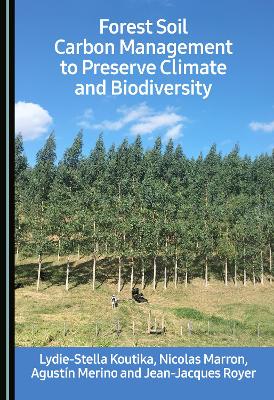
This book presents research conducted from the late 1990s to the 2020s across ecosystems in Brazil, the Congo Basin, Europe, and beyond. Its objective is to enhance human well-being and environmental health by promoting sustainable soil management that supports carbon storage, a key component of climate change mitigation, food security, land restoration, and biodiversity conservation.Findings show that afforestation, grasslands, and planted fallows enhance soil organic carbon (SOC) storage, as observed in 17-year-old pastures in the Amazon and mixed forest stands in the Congo. However, this carbon becomes increasingly labile over time, limiting long-term gains. Local environmental conditions strongly influence storage effectiveness. Most results align with the Sustainable Development Goals (Agenda 2030).The research also highlights the importance of species selection: legumes improve nitrogen-poor soils, while species such as Calliandra perform worse than Chromolaena in acidic soils. Some species, such as the invasive Acacia mangium, increase nutriment stocks but threaten biodiversity, underscoring the need for rigorous ecological risk assessment.Uncontrolled deforestation and poor management of invasive species continue to endanger soil and ecosystem health. Scientists must play a leading role in developing inclusive, science-based strategies for biodiversity and climate action that integrate traditional knowledge, gender equity, and local community participation.
| Weight | 0.2321824 kg |
|---|---|
| Author | |
| Editor | |
| Photographer | |
| Format | |
| Illustrators | |
| Publisher |
Only logged in customers who have purchased this product may leave a review.

Paperback / softback
£45.00
Paperback / softback
£35.00
Hardback
£32.00
Paperback
£9.95
Paperback
Original price was: £45.00.£34.95Current price is: £34.95.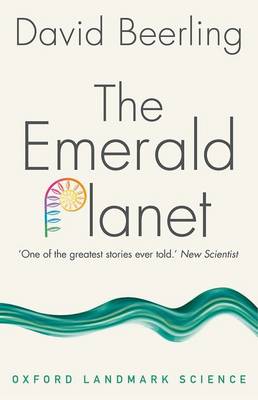
Paperback / softback
£14.95
Paperback / softback
£12.95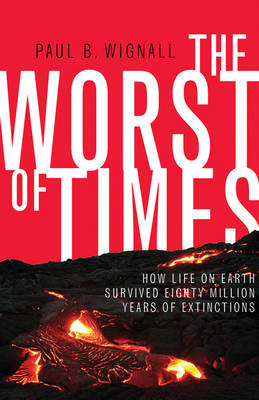
Paperback / softback
Original price was: £17.95.£15.95Current price is: £15.95.

Reviews
There are no reviews yet.