


We ship worldwide - see checkout for options

Exceptional customer service trusted by 100's
£115.00
We ship worldwide - see checkout for options
Exceptional customer service trusted by 100's
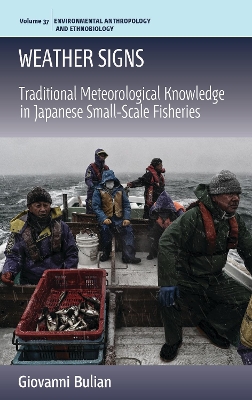
Drawing on ethnography, historical sources, and folklore, this book examines how fishermen and coastal communities in Japan read winds, clouds, seas, animals, and celestial signs to anticipate change and manage risk. Centred on the vernacular forecasting framework known as kantenbōki, the study traces the entanglement of sensory perception, language, ritual, and labor in everyday engagements with atmosphere. Moving between micro-scale practices and broader climatic regimes, the book shows how local weather knowledge persists, adapts, and intertwines with modern meteorology, revealing weather as a relational, cultural, and ecological field rather than a mere physical backdrop.
| Weight | 0.6543904 kg |
|---|---|
| Author | |
| Editor | |
| Photographer | |
| Format | |
| Illustrators | |
| Publisher |
Only logged in customers who have purchased this product may leave a review.

Paperback
£4.00 Hardback
£32.95
Hardback
CD-ROM
£19.95
Paperback
£7.95
Paperback
£14.95
Paperback
£14.45
Reviews
There are no reviews yet.