


We ship worldwide - see checkout for options

Exceptional customer service trusted by 100's
£280.00
We ship worldwide - see checkout for options
Exceptional customer service trusted by 100's
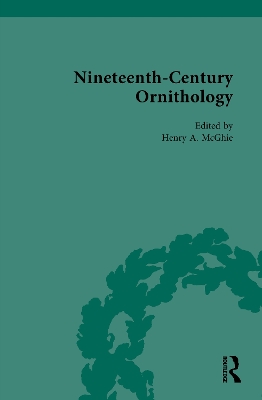
This two-volume set explores some of the main themes in 19th century ornithology, as it was understood at the time. For most of the century, British ornithology was dominated by wealthy middle-class and upper-class men. These ‘amateurs’ (an ahistorical term) interacted in a system of societies, publications and collecting practices. Ornithology held an especially high status among natural history topics, and ornithologists typically held high positions in natural history society and societies. The emphasis of what constituted ornithology was different from later times, dominated by the description of ‘new’ species and establishing their distribution. The endeavour of collecting, preserving, naming and describing was, of course, contemporaneous with colonial and imperial expansion, and the system that brought great numbers of specimens to British private collections and museums mirrored the flow of natural resources for more overtly economic purposes. These two volumes cover ‘Ornithology at Home’ and ‘Ornithology Abroad’. The two volumes are not split in a strictly geographic sense, but aim to help the reader explore what ornithology was like in Britain (with its societies, institutions and characters), and what ornithology was like abroad in the sense of exploring what ornithologists were doing beyond Britain. The volumes aim to help the reader gain an insight into the interplay of personal travel, collecting, collectors’ networks, access to specimens and publishing in the lives of 19th century ornithologists. Paying attention to the social and political contexts in which ornithologists operated, and to the birds that were the subject of their passions, provides a rich exploration of what birds meant in the lives of these people, and what it meant to be an ornithologist.
| Weight | 1.6572816 kg |
|---|---|
| Author | |
| Editor | |
| Photographer | |
| Format | |
| Illustrators | |
| Publisher |
Only logged in customers who have purchased this product may leave a review.
Hardback
Original price was: £16.95.£13.00Current price is: £13.00.
Hardback
Original price was: £35.00.£23.95Current price is: £23.95.
Hardback
Original price was: £29.95.£25.00Current price is: £25.00.
Paperback
Original price was: £25.00.£19.50Current price is: £19.50.In Stock
Reviews
There are no reviews yet.