


We ship worldwide - see checkout for options

Exceptional customer service trusted by 100's
£199.95
We ship worldwide - see checkout for options
Exceptional customer service trusted by 100's
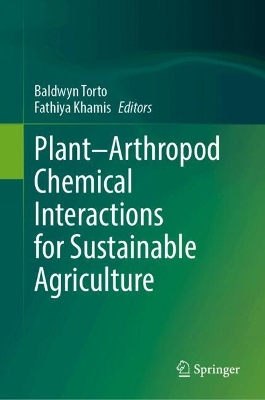
The Food and Agricultural Organization projects the global population to grow to 9.7 billion by 2050, which will lead to a projected 70% increase in food demand. This increase in demand occurs amidst a backdrop of mounting challenges, including the impacts of climate change, the spread of invasive pests and diseases, dwindling pollinator populations, and the decline of vital ecosystem contributors such as saprophytes and natural enemies. in the face of these challenges, there arises an imperative to transform agricultural systems. This transformation necessitates the adoption of production systems and technologies that increase yield without compromising natural resources and biodiversity. In this pursuit, the adoption of integrated pest management (IPM) approaches emerges as highly suitable. IPM represents a technology rooted in the deliberate selection of control strategies. These strategies not only suppress pest populations but also stop the excessive application of pesticides, safeguarding both human well-being and the environment. Chemical communication between plants and arthropods serves as a vital tool for interaction, playing a pivotal role within IPM approaches. These approaches offer an alternative to the use of insecticides or a complementary strategy for monitoring and suppressing pest populations. Within the environment, numerous arthropods contribute valuable ecosystem services, while others function as herbivorous pests in both agricultural and forestry ecosystems. It is from this perspective that this book seeks to consolidate the existing information and research status concerning plant-arthropod chemical interactions. The goal is to bring together well-informed IPM approaches that promote sustainable agriculture, thereby enhancing food and nutritional security. This comprehensive book will address a range of topics focusing on pests and beneficial organisms that exert significant influence on food systems. These topics include pollinators, parasitoids, predators, soil-dwelling eco-engineers, fruit flies, plant-parasitic nematodes, lepidopteran pests, termites, true bugs, and sap beetles.
| Weight | 0.5 kg |
|---|---|
| Author | |
| Editor | |
| Photographer | |
| Format | |
| Illustrators | |
| Publisher |
Only logged in customers who have purchased this product may leave a review.
Paperback / softback
£30.00
Paperback / softback
£30.00
Paperback
£19.95
Paperback
£55.00In Stock
Paperback
£24.95
Paperback / softback
£29.00
Paperback
Original price was: £19.95.£12.75Current price is: £12.75.In Stock
Paperback
£8.95
Reviews
There are no reviews yet.