


We ship worldwide - see checkout for options

Exceptional customer service trusted by 100's
£135.00
We ship worldwide - see checkout for options
Exceptional customer service trusted by 100's
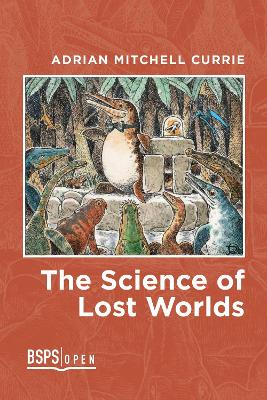
How do we understand the past when the past is weird: populated by different creatures and different environments, playing by different rules? In The Science of Lost Worlds, Adrian Mitchell Currie and the fantastical Prof. Ichthy explore the epistemology of the historical sciences. They show how paleontologists creatively adopt perspectives that link the unfamiliar past with the familiar present through a variety of interlocking, iterative strategies that combine imagination and hard science to discover lost worlds. Considering science, art, and the materiality of paleontological practice, Currie develops an artifactualist account of this scientific imagination. They explore the metaphysical upshots of paleontological practice, the deeply modal nature of paleontological knowledge, and how the science of the deep past is about deep possibility. Currie compares our knowledge of the past to our knowledge of the future, arguing that the peculiarity of the future profoundly limits our capacity to know it. The Science of Lost Worlds is an exploration of palaeontological practice and reasoning that reflects and amplifies the ability of the deep past to generate wonder.
| Weight | 0.6891984 kg |
|---|---|
| Author | |
| Editor | |
| Photographer | |
| Format | |
| Illustrators | |
| Publisher |
Only logged in customers who have purchased this product may leave a review.

Paperback
£49.00
Hardback
£47.50

Paperback
£20.95 Paperback
£13.95
Paperback
£24.95 Paperback
£13.95
Paperback
Original price was: £46.00.£45.00Current price is: £45.00.
Reviews
There are no reviews yet.