


We ship worldwide - see checkout for options

Exceptional customer service trusted by 100's
£40.00
We ship worldwide - see checkout for options
Exceptional customer service trusted by 100's
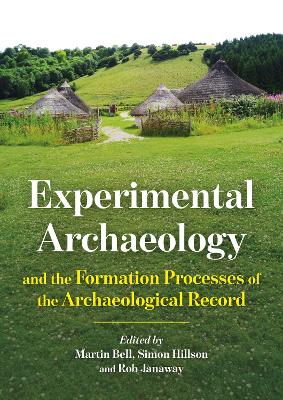
This book explores how experimental structures, such as earthworks and buildings, help us to understand how the archaeological record forms. Topics include: weathering, changes to buried soils, sediment micromorphological analysis, the role of soil animals, the decay and preservation of a range of buried materials and structures, seed viability and survival, molluscs and pollen. It includes the work of 32 scientists, specialists in a wide range of sources of evidence, and demonstrates the benefits of a multi-disciplinary approach. The introduction reviews the history of experimental archaeology in the context of evolving theoretical developments in archaeology from 1960 to now. Part Two looks at a long-term experiment: a carefully constructed linear earthwork created under the auspices of the British Association for the Advancement of Science in 1963 with an intended duration of 128 years. This report presents the results from the 33-year excavation (1996) of the Wareham Experimental Earthwork in Dorset. Buried materials include textiles, leather, hide, rope, wood and glass. Samples of textile and rope are associated with copper coins and steel discs to examine their effects on preservation. Changes to these materials after burial are relevant, not just to archaeologists but to those with interests in forensic and materials science. Part Three concerns excavations of octagonal and related earthwork experiments originally established by the late Peter Reynolds. The excavations (2006–2015) considered weathering of the earthworks, soil and biological evidence from the buried land surfaces. Finally, Part Four looks at the experimental roundhouses of Butser Ancient Farm and St Fagans Open Air Museum, both also constructed by Dr Reynolds. The case studies demonstrate that relatively short-term experiments on decadal timescales help us to understand how the archaeological record forms. Many changes to both earthworks and buried materials occur rapidly following burial. This research provides the opportunity to consider the strengths and limitations of experiment in archaeology and to highlight the potential mutual benefits of more active collaboration between experimental heritage sites, with their important educational role, and the scientific research community.
| Weight | 0.51408 kg |
|---|---|
| Author | |
| Editor | |
| Photographer | |
| Format | |
| Illustrators | |
| Publisher |
Only logged in customers who have purchased this product may leave a review.
Paperback / softback
£34.00
Paperback
Original price was: £16.95.£12.71Current price is: £12.71.In Stock
Paperback
£24.95
Paperback
£5.95
Paperback / softback
£47.00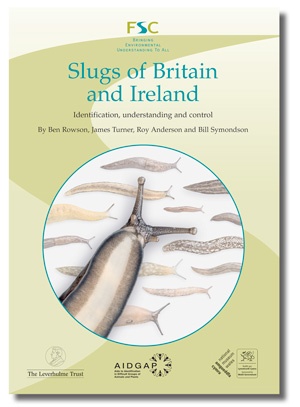
Hardback
£0.00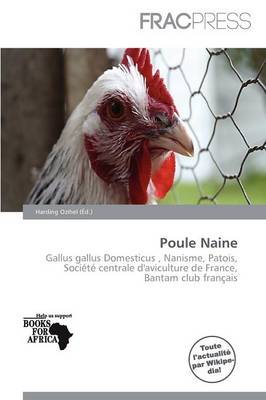
Paperback / softback
£29.00
Reviews
There are no reviews yet.