


We ship worldwide - see checkout for options

Exceptional customer service trusted by 100's
£155.00
We ship worldwide - see checkout for options
Exceptional customer service trusted by 100's
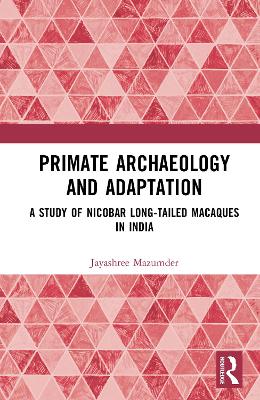
Primate Archaeology and Adaptation offers an interdisciplinary examination of Nicobar long-tailed macaques, situating their tool use, social behavior, and ecological flexibility within deep evolutionary time and contemporary conservation challenges. It documents the ecology, social organization, and behavioral repertoire of long-tailed macaques, including foraging strategies, food sharing, reproductive dynamics, exploratory behavior, and diverse forms of object manipulation. It presents detailed accounts of tool-related behaviors, such as leaf “glove” use, substrate selection for pounding, and the innovative use of anthropogenic materials, while carefully distinguishing between tool use and broader object use. The book bridges fossil history, behavioral ecology, and archaeological method to rethink material culture beyond humans. This book will interest scholars and advanced students in biological anthropology, primatology, archaeology, human evolution, animal behavior, and conservation studies. It will also appeal to researchers working on material culture, island ecology, and South Asian environmental policy.
| Weight | 0.3968112 kg |
|---|---|
| Author | |
| Editor | |
| Photographer | |
| Format | |
| Illustrators | |
| Publisher |
Only logged in customers who have purchased this product may leave a review.

Paperback
£55.00In Stock

Paperback / softback
£30.00
Paperback
£12.95
Paperback
£24.95
Hardback
Original price was: £20.00.£18.95Current price is: £18.95. Hardback
£27.95
Paperback / softback
£30.00
Paperback / softback
£29.00
Reviews
There are no reviews yet.