


We ship worldwide - see checkout for options

Exceptional customer service trusted by 100's
£24.95
We ship worldwide - see checkout for options
Exceptional customer service trusted by 100's
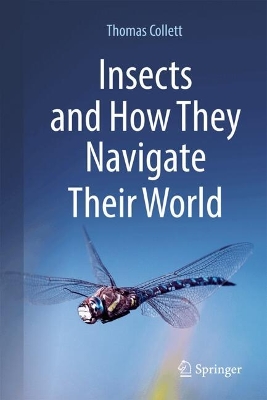
Despite having brains as small as a grain of sand, Darwin’s “most marvellous atoms of matter”, insects learn much about the world that they inhabit. This book invites you to explore this world and learn how insects navigate within it, from moths migrating thousands of miles to avoid inclement weather, guided by the sun in the day and the pattern of stars and a magnetic compass by night, to shorter foraging journeys. Social insects, like ants and honeybees, leave their nests to collect food to nourish their young and gather supplies for the winter. To do so, they rapidly learn the visual and olfactory landscape around their nest. They may have to travel long distances. Honeybees can even use their remarkable dance to tell their hive mates where they have been foraging and whether the place is worth visiting. Insect societies can be small, with only a few workers, or enormous. The underground nests of leaf cutter ants are many metres deep and wide. Their queen lays several million eggs during her life, while worker leaf cutters strip the surrounding forest of its leaves. Clear, accessible, and full of surprising discoveries and their histories, this book celebrates the ingenuity of insects and explores what their behaviour can teach us about life in another world, from ants that make slaves to others that sacrifice their own lives to save a nest mate. Read the book to be amazed by the unexpected insect world around you.
| Weight | 0.5 kg |
|---|---|
| Author | |
| Editor | |
| Photographer | |
| Format | |
| Illustrators | |
| Publisher |
Only logged in customers who have purchased this product may leave a review.

Paperback
£5.95
Paperback / softback
£47.00
Paperback / softback
£26.00
Paperback / softback
£29.00 Paperback
£8.95
Paperback / softback
£46.00
Paperback
£9.95 Hardback
£35.00
Reviews
There are no reviews yet.