


We ship worldwide - see checkout for options

Exceptional customer service trusted by 100's
£79.00
We ship worldwide - see checkout for options
Exceptional customer service trusted by 100's
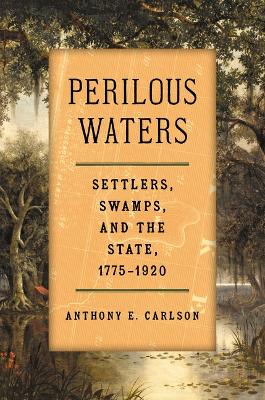
Wetlands—particularly swamps—have evoked contradictory responses from different groups in the United States from the early republic to the end of World War I. White, enslaved, and Indigenous peoples alternately envisioned swamps as future agricultural paradises, uninhabitable wastelands, portals to freedom, spaces to gather vital resources, eugenic sanctuaries, and future homes for settlers. This contested, evolving thinking shaped how Americans interacted with swamps, and Perilous Waters addresses how those interactions influenced their management. Anthony E. Carlson shows how settlers demonized swamps as one of the gravest environmental impediments to agricultural expansion and the establishment of secure and stable communities. In doing so, they enlisted the knowledge, resources, and authority of the state to organize institutions that enabled drainage and erased any vestiges of prior occupation and usage. By the mid-nineteenth century, drainage became a paramount public policy objective, inaugurating new social institutions and mobilizing state resources to assist settlers in fashioning dry, healthy, and domesticated landscapes. After 1900, all levels of government worked to implement cooperative social institutions and systemize environmental and technological knowledge to facilitate drainage and accelerate the transformation of the nation’s wet spaces into farms and crop fields.
| Weight | 0.5 kg |
|---|---|
| Author | |
| Editor | |
| Photographer | |
| Format | |
| Illustrators | |
| Publisher |
Only logged in customers who have purchased this product may leave a review.

Paperback
£2.95 Paperback
£3.50
Hardback
Original price was: £52.95.£44.00Current price is: £44.00.
Paperback
Original price was: £78.00.£75.00Current price is: £75.00.
Paperback
£24.95
Hardback
£141.00 Paperback
£20.00
Paperback
£0.00

Reviews
There are no reviews yet.