


We ship worldwide - see checkout for options

Exceptional customer service trusted by 100's




Original price was: £250.00.£150.00Current price is: £150.00.
We ship worldwide - see checkout for options
Exceptional customer service trusted by 100's
Limited signed and leatherbound edition in slipcase
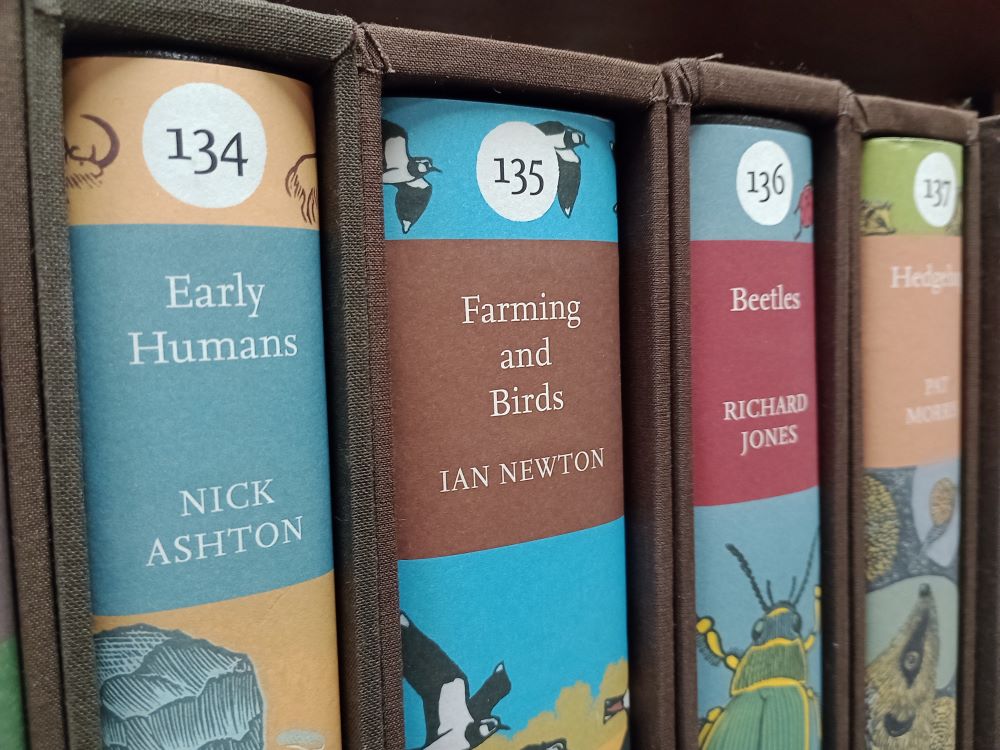
Early Humans, New Naturalist volume 134.
Our understanding of the British Palaeolithic and Mesolithic has changed dramatically over the last three decades, and yet not since H. J. Fleure’s A Natural History of Man in Britain (1951) has the New Naturalist Library included a volume focused on the study of early humans and their environment.
In this long overdue new book, distinguished archaeologist Nick Ashton uncovers the most recent findings, following the remarkable survival and discovery of bones, stone tools and footprints which allow us to paint a picture of the first human visitors to this remote peninsula of north-west Europe.
As part of the Ancient Human Occupation of Britain project and subsequent research, Ashton is involved in an unrivalled collaborative effort involving archaeologists, palaeontologists, and earth scientists at different British institutes, including the Natural History Museum and the British Museum. Using an interdisciplinary approach, the book explores the latest discoveries such as footprints at Happisburgh, Norfolk that are thought to be nearly one million years old, flint artefacts at Pakefield in Suffolk and mammoth remains at West Runton, among others. These remarkable remnants help our quest to unravel the interactions between the changing environments and their ancient human occupants, as well as their lifestyles and migrations.
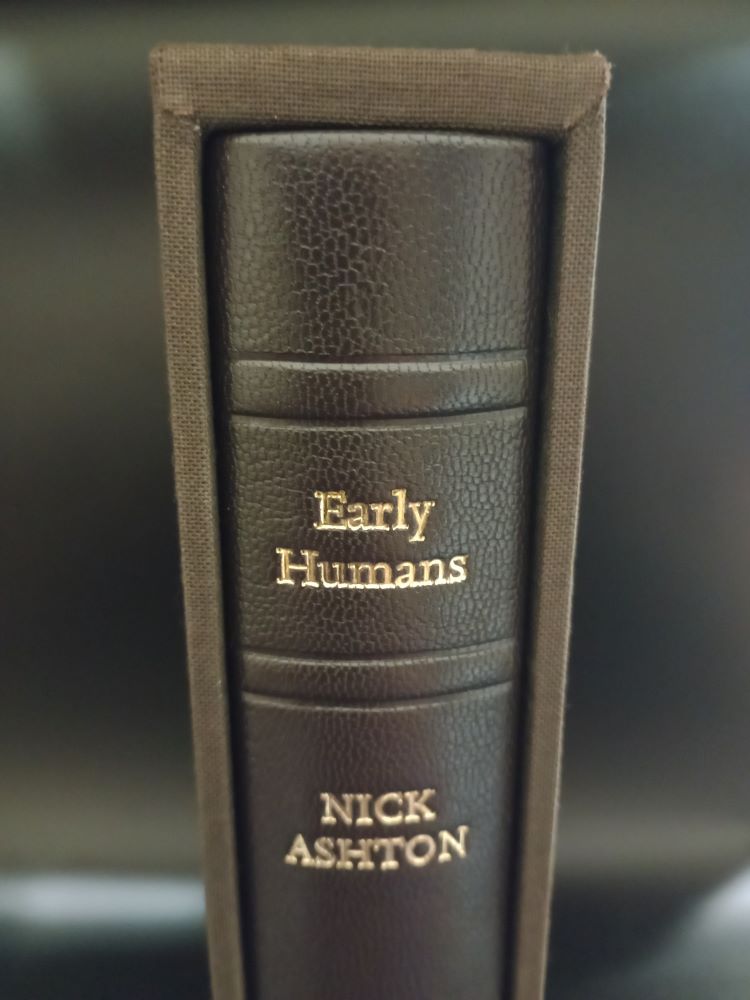
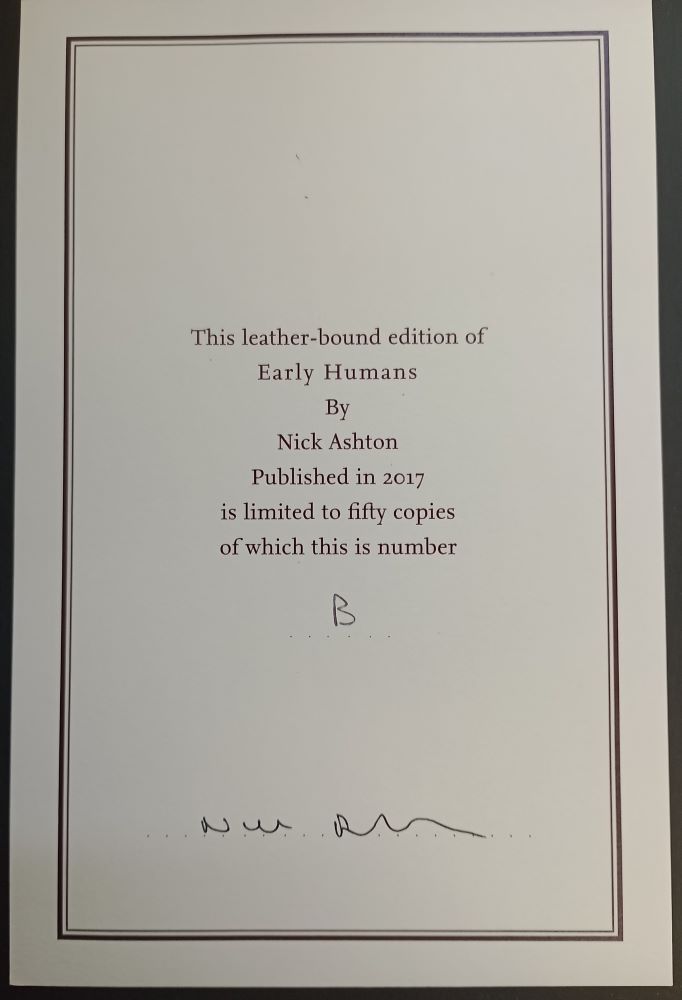
As new condition (with a few very light shelf-wear marks to the slip case). Leather bound with NN monogram to the front cover, gilt title on the spine and gilt on all edges. Tipped-in limitation plate to the front endpaper, signed by the author and indicating 50 numbered copies were released. The plate is also marked with a letter ‘B’ (a very small number of these special editions were marked with a letter rather than a number, often signifying designation for a contributor or special collection). In addition, the traditional New Naturalist dustjacket is provided and has been signed by the artist and designer, Robert Gillmor, on the front inside flap. Presented in brown, cloth covered slip case.
| Weight | 1.8 kg |
|---|---|
| Author | |
| Format | |
| Publisher |

Hardback
£65.00
Hardback
£62.00
Hardback
£15.00
Hardback
£6.00
Hardback
£48.00
Hardback
£85.00
Paperback
£0.00 Hardback
£8.00