


We ship worldwide - see checkout for options

Exceptional customer service trusted by 100's
£129.95
We ship worldwide - see checkout for options
Exceptional customer service trusted by 100's
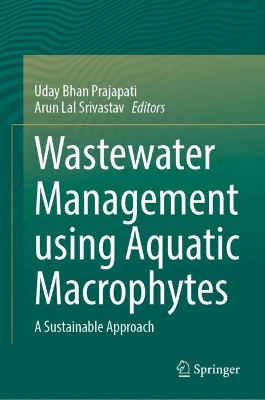
This book discusses aquatic macrophytes, their seasonal diversity and their selection criteria for wastewater treatment which provide a broad scenario to the readers, policy makers, etc. Sustainable development does not focus solely on environmental issues, but also includes economic and social development, as well as the preservation of indigenous people and culture. Aquatic macrophytes can play an important role in sustainable development in several ways, for example by providing a range of benefits beyond wastewater treatment, including energy production, nutrient removal, habitat creation, erosion control, and carbon sequestration. Aquatic macrophytes can be used for the production of bioenergy, which can be a sustainable alternative to fossil fuels. Aquatic macrophytes have been found to have potential in treating wastewater, as they can take up organic matter from the water and remove metals such as cadmium, copper, chromium, zinc, lead, and nickel. This can be a sustainable and effective method for managing water quality. These plants treat wastewater by taking up organic matter from the water, with small zones at their roots that capture organic matter from the wastewater. Aquatic plants also act as bioindicators of heavy metal contamination; therefore, they aid in raising awareness of the problem. This book gives a guidance on how to create a botanical park at a wastewater treatment site. Aquatic macrophytes are simple to identify, making it easier to use them in the filtration of water bodies. The volume contains several case studies on this topic.
| Weight | 0.5 kg |
|---|---|
| Author | |
| Editor | |
| Photographer | |
| Format | |
| Illustrators | |
| Publisher |
Only logged in customers who have purchased this product may leave a review.

Paperback / softback
£25.00
Hardback
£138.00
Hardback
£125.00
Paperback / softback
£8.95
Hardback
£30.00
Paperback / softback
£16.95
Paperback / softback
£35.00
Paperback / softback
£44.95

Reviews
There are no reviews yet.