


We ship worldwide - see checkout for options

Exceptional customer service trusted by 100's
£187.95
We ship worldwide - see checkout for options
Exceptional customer service trusted by 100's
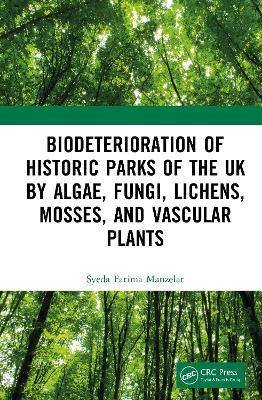
Historic parks are living treasures, but they are under constant threat from biodeterioration. The book Biodeterioration of Historic Parks of the UK by Algae, Fungi, Lichens, Mosses, and Vascular Plants, explores how a range of organisms contribute to the decay of historic landscapes. Through detailed fieldwork and laboratory analysis, the book examines how these biological agents interact with stone, wood, and other park features, influencing chemical reactions, physical wear, and structural weakening. The book combines rigorous science with practical conservation insights, offering strategies to protect and preserve these culturally and ecologically significant sites. Features: • Examines the impact of biota such as algae, fungi, lichens, mosses, and vascular plants on cultural landmark degradation. • Highlights interdisciplinary approaches, bridging biology, conservation and physical sciences to address biodeterioration. • Discusses environmentally conscious techniques for protecting heritage structures while minimizing ecological footprints. • Presents case studies from Campbell Park and Great Linford Manor Park, showcasing strategies to mitigate biodeterioration. • Provides actionable insights for practitioners, researchers, and enthusiasts committed to cultural heritage preservation. This book is an essential resource for conservationists, heritage managers, botanists, and ecologists seeking a comprehensive understanding of the forces that threaten historic parks—and guidance on safeguarding them for future generations.
| Weight | 0.2993328 kg |
|---|---|
| Author | |
| Editor | |
| Photographer | |
| Format | |
| Illustrators | |
| Publisher |
Only logged in customers who have purchased this product may leave a review.

Paperback
£65.00
CD
£0.00
Paperback
£17.00
Paperback
£78.00
Reviews
There are no reviews yet.