


We ship worldwide - see checkout for options

Exceptional customer service trusted by 100's
£139.95
We ship worldwide - see checkout for options
Exceptional customer service trusted by 100's
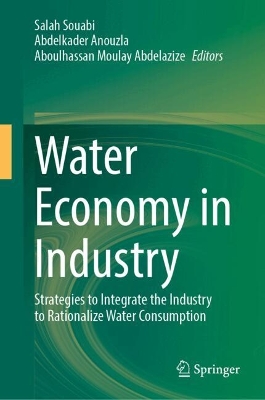
This book describes the Non-rational water consumption by industrial units could increase the production of wastewater discharged into the receiving Environment without any prior treatment in several countries worldwide, which would cause climate change by increasing temperature and decreasing precipitation. Indeed, non-rational water consumption at the level of industrial units poses serious problems, particularly for developing countries, given that regulations do not require companies to treat their effluents. The decline in precipitation due to climate change has pushed countries close to the sea to move towards desalinating seawater, which is expensive. It is, therefore, urgent to control water consumption at the company level through upstream actions before acting downstream through awareness-raising, reducing consumption, preventing leaks, and treating and recycling treated water. Furthermore, regulations for good water management practices have become a necessity. At the same time, it is necessary to avoid excessive consumption of healthy water for a good brand image and the cost of production at the level of industrial units. Due to the scarcity of water resources and the overexploitation of groundwater resources, worldwide countries are experiencing a considerable water deficit in surface water and groundwater. Various actors are taking several measures to preserve and develop worldwide water resources, including seawater desalination for irrigation and water supply, to bridge this deficit. This book provides a database to help managers at the industrial unit level integrate effective methods to at least firstly reduce water consumption through prevention, staff training, water leak control, and optimization of the consumption of healthy and inexpensive water for companies before acting downstream in the treatment of wastewater and their recycling. The content of this work is based on recent data to help decision-makers reduce production costs in the company and the cost of wastewater treatment while giving a brand image to industrial units, which protects our Environment
| Weight | 1.03447 kg |
|---|---|
| Author | |
| Editor | |
| Photographer | |
| Format | |
| Illustrators | |
| Publisher |
Only logged in customers who have purchased this product may leave a review.

Paperback
Original price was: £50.00.£50.00Current price is: £50.00.
Paperback / softback
£26.00
Paperback / softback
£47.50

Hardback
£56.00 Paperback
£1.50 Paperback
£2.00

Reviews
There are no reviews yet.