


We ship worldwide - see checkout for options

Exceptional customer service trusted by 100's
£115.00
We ship worldwide - see checkout for options
Exceptional customer service trusted by 100's
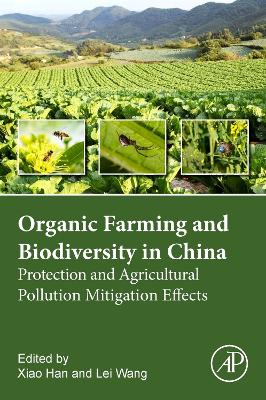
Organic Farming and Biodiversity in China: Protection and Agricultural Pollution Mitigation Effects gives quantitative comparison of biodiversity between organic and conventional farming, provides evaluation on the biodiversity protection mechanism for organic farming, by using an integrative approach to analyze the relationship between agricultural inputs, waste, farming management, government policy and biodiversity in different agro-ecosystems. It also discusses the ecological, economic, and social benefits of organic farming. Written by experts from the Organic Food Development Center of the Ministry of Environmental Protection (OFDC-MEE) – the pioneers of the organic movement in China – this book explores the role that organic farming plays in biodiversity protection, and how the government can support or hinder organic farming. Using the methods of long-term field experiment, field survey, and meta-analysis, the book reviews not yet translated studies in China, therefore unavailable to the English readership, to provide systematic comparison of biodiversity between organic and conventional farming. Organic Farming and Biodiversity in China: Protection and Agricultural Pollution Mitigation Effects is an important resource for researchers and students. It also appeals to policy makers as well as the general public seeking to understand the environmental impact of organic agriculture and the guidance of government policy in China and other regions in the world.
| Weight | 0.4194364 kg |
|---|---|
| Author | |
| Editor | |
| Photographer | |
| Format | |
| Illustrators | |
| Publisher |
Only logged in customers who have purchased this product may leave a review.

Paperback
£19.95
Paperback / softback
£47.00
Paperback
£55.00In Stock
Paperback / softback
£26.00
Paperback / softback
£30.00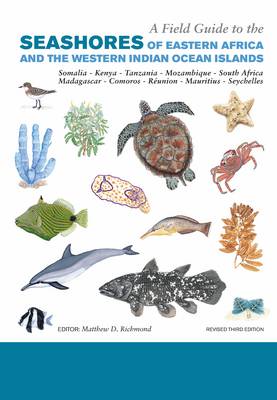
Paperback
£24.95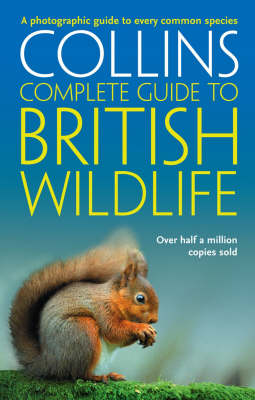
Paperback
Original price was: £19.95.£12.75Current price is: £12.75.In Stock
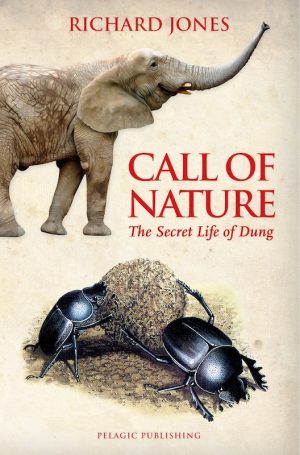
Paperback
Original price was: £16.95.£13.95Current price is: £13.95.

Reviews
There are no reviews yet.