


We ship worldwide - see checkout for options

Exceptional customer service trusted by 100's
£145.95
We ship worldwide - see checkout for options
Exceptional customer service trusted by 100's
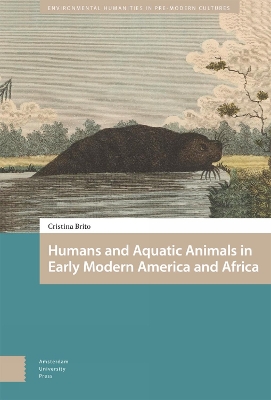
This book deals with peoples’ practices, perceptions, emotions and feelings towards aquatic animals, their ecosystems and nature on the early modern Atlantic coasts by addressing exploitation, use, fear, empathy, otherness, and indifference in the relationships established with aquatic environments and resources by Indigenous Peoples and Europeans. It focuses on large aquatic fauna, especially manatees (but also sharks, sea turtles, seals, and others) as they were hunted, consumed, venerated, conceptualised, and recorded by different societies across the early colonial Americas and West Africa. Through a cross-cultural approach drawing on concepts and analytical methods from marine environmental history, the blue humanities and animal studies, this book addresses more-than-human systems where ecologies, geographies, cosmogonies, and cultures are an entangled web of interdependencies.
| Weight | 0.5147064 kg |
|---|---|
| Author | |
| Editor | |
| Photographer | |
| Format | |
| Illustrators | |
| Publisher |
Only logged in customers who have purchased this product may leave a review.
Hardback
£0.00
Paperback
£6.95 Paperback
£18.95
Hardback
£39.50
Hardback
£50.00 Hardback
£95.00 Spiral bound
£40.00

Reviews
There are no reviews yet.